Master EV Charging: Tips for Electric Vehicle Owners

Electric vehicles (EVs) are becoming increasingly popular as more people recognize the benefits of sustainable transportation. However, many new EV owners find themselves overwhelmed by the charging process. Understanding how to effectively charge your electric vehicle can enhance your experience and ensure you get the most out of your investment. In this blog post, we will explore essential tips for mastering EV charging, helping you navigate the landscape of charging options, costs, and best practices.
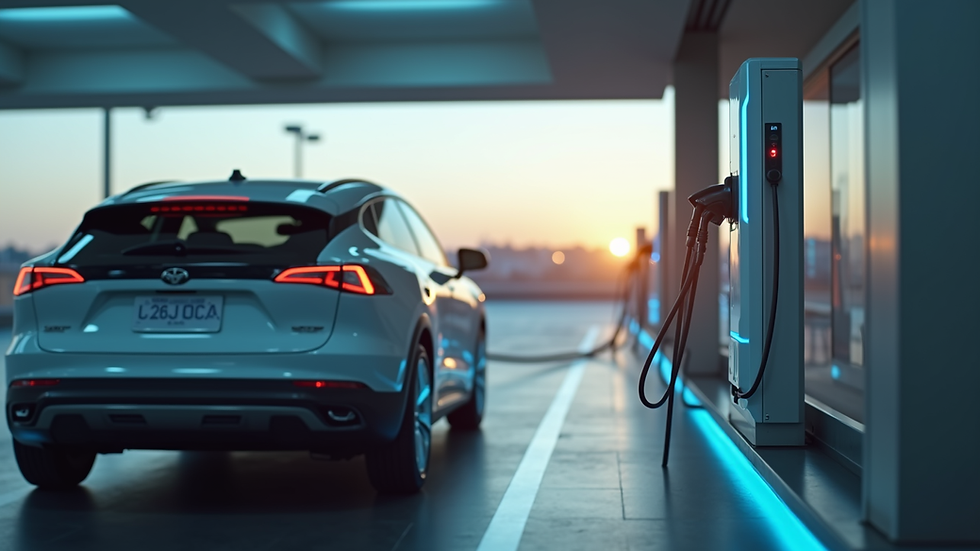
Understanding EV Charging Basics
Before diving into the tips, it's crucial to understand the fundamentals of EV charging. Electric vehicles use batteries to store energy, which powers the electric motor. Charging an EV involves transferring electricity from a power source to the vehicle's battery.
Types of EV Chargers
There are three main types of EV chargers:
Level 1 Chargers
Description: These chargers use a standard 120-volt outlet, similar to what you find in most homes.
Charging Speed: Typically adds about 4-5 miles of range per hour.
Best For: Overnight charging at home.
Level 2 Chargers
Description: These chargers operate on a 240-volt outlet, providing faster charging.
Charging Speed: Adds about 10-60 miles of range per hour, depending on the vehicle and charger.
Best For: Home installations or public charging stations.
DC Fast Chargers
Description: These are high-powered chargers that can charge an EV to 80% in about 30 minutes.
Charging Speed: Adds 100-200 miles of range in about 30 minutes.
Best For: Road trips and quick top-ups.
Understanding these types of chargers will help you choose the right one for your needs.
Tips for Efficient Charging
1. Plan Your Charging Schedule
One of the most effective ways to manage your EV charging is to plan your charging schedule. Here are some strategies:
Charge Overnight: If you have a Level 1 charger at home, plug in your vehicle overnight. This ensures you start each day with a full battery.
Utilize Off-Peak Hours: Many utility companies offer lower rates during off-peak hours. Charging during these times can save you money.
2. Use Public Charging Stations Wisely
Public charging stations are essential for long trips or if you don’t have access to home charging. Here are some tips for using them effectively:
Locate Charging Stations: Use apps like PlugShare or ChargePoint to find nearby charging stations. These apps provide real-time availability and user reviews.
Check Charging Speed: Not all public chargers are created equal. Look for Level 2 or DC Fast Chargers for quicker charging times, especially if you’re in a hurry.
3. Monitor Your Battery Level
Keeping an eye on your battery level can help you avoid running out of charge. Here are some practical tips:
Set Alerts: Many EVs allow you to set alerts for when your battery reaches a certain percentage. This can help you plan your next charge.
Know Your Range: Familiarize yourself with your vehicle's range and plan trips accordingly. This will help you avoid range anxiety.
4. Optimize Charging Habits
Optimizing your charging habits can prolong your battery life and improve efficiency. Consider the following:
Avoid Frequent Fast Charging: While DC Fast Chargers are convenient, frequent use can degrade your battery over time. Use them sparingly for long trips.
Charge to 80%: For daily use, consider charging your battery to about 80% instead of 100%. This can help extend battery life.
5. Understand Charging Costs
Charging your EV can be more economical than fueling a gasoline vehicle, but it’s essential to understand the costs involved:
Home Charging Costs: Calculate the cost of electricity in your area to estimate how much it will cost to charge at home.
Public Charging Fees: Some public charging stations charge by the hour, while others charge per kWh. Be aware of the pricing structure to avoid surprises.
The Future of EV Charging
As the demand for electric vehicles continues to grow, so does the infrastructure for charging them. Here are some trends to watch:
Expansion of Charging Networks
Many companies are investing in expanding charging networks. This means more charging stations will be available, making it easier to travel long distances in an EV.
Development of Wireless Charging
Wireless charging technology is being developed, which could eliminate the need for plugging in. This could make charging even more convenient in the future.
Integration with Renewable Energy
As more renewable energy sources come online, charging your EV with clean energy will become increasingly feasible. This will further enhance the environmental benefits of driving an electric vehicle.
Conclusion
Mastering EV charging is essential for any electric vehicle owner. By understanding the types of chargers, planning your charging schedule, and optimizing your charging habits, you can ensure a smooth and efficient experience. As the EV landscape continues to evolve, staying informed about new technologies and trends will help you make the most of your electric vehicle.
Take the next step in your EV journey by exploring local charging options and planning your next trip. Happy charging!
Comments